The purpose of the ELTHI diving study (Investigation of long-term health effects of diving) was to investigate the possible long-term health effects of diving in the workplace. Subjects who complained of "forgetfulness or loss of concentration" in the questionnaire performed less well as a group on objective tests of memory and concentration.
Study design
PART 1 – Questionnaire survey
An effect size (d) of 0.2 to 0.4 is considered small to moderate and therefore a minimal clinically significant effect in health outcome measurement (57). The final version of the questionnaire was then mailed to all the tracked divers and foreign workers with a prepaid return envelope.
PART 2 – Clinic study
Assessments
Divers and offshore workers recruited for part 2 of the study all completed the same series of tests and examinations with the exception of an MRI of the brain. The doctors were blinded to the results of part 1 of the study and whether the subject they were studying was a diver or an offshore worker.
Study Population
Divers
Comparison group: Oil and Gas offshore workers
Identification and tracing of subjects
Sampling of subjects for the clinic study (Part 2)
Statistical Analysis
Questionnaire survey
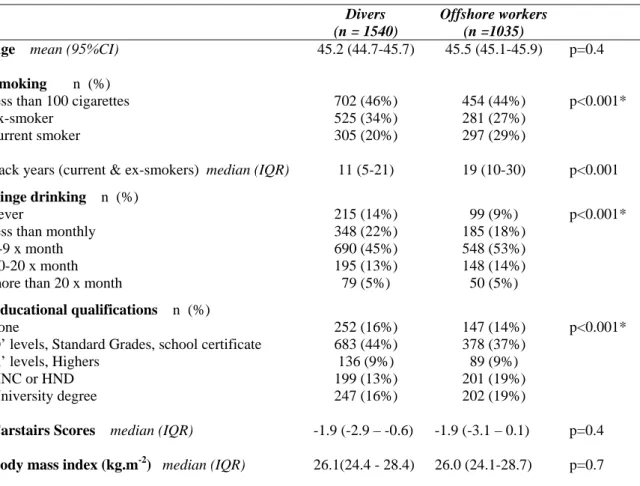
In the ANCOVA, factors adjusted for age were smoking, excessive drinking, and head injury. Finally, the main symptoms found to be significantly different between divers and offshore workers were included in the model.
Clinic study
Including educational attainment in the model would then have adjusted for the double-dipping effect. Factors were added to the model hierarchically, with the main group (divers vs. offshore workers), followed by lifestyle and demographic factors, and then work-related factors.
Checking the results of the questionnaire survey
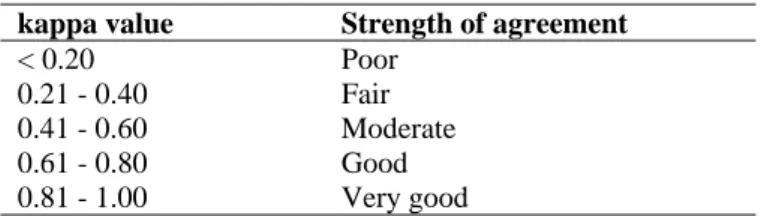
Cohen's kappa values were used as a measure of agreement for categorical data where there was no objective measure. Correlations were used as a measure of agreement for trend, rather than absolute agreement between categories.
Part 1: POSTAL QUESTIONNAIRE SURVEY
- Response rate
- Demographic and lifestyle characteristics
- Occupational history
- General health - Symptoms
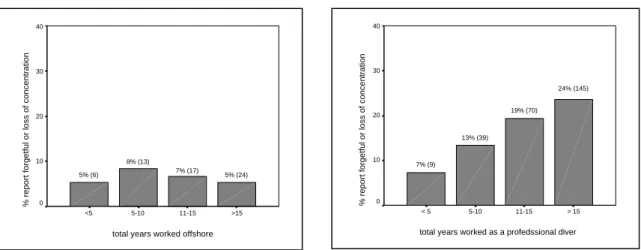
- Forgetfulness or loss of concentration
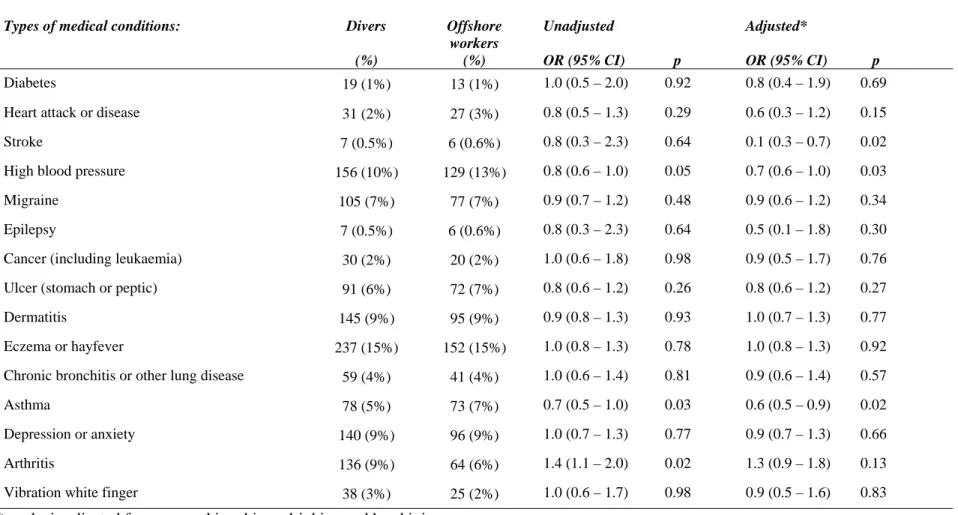
- Medical conditions
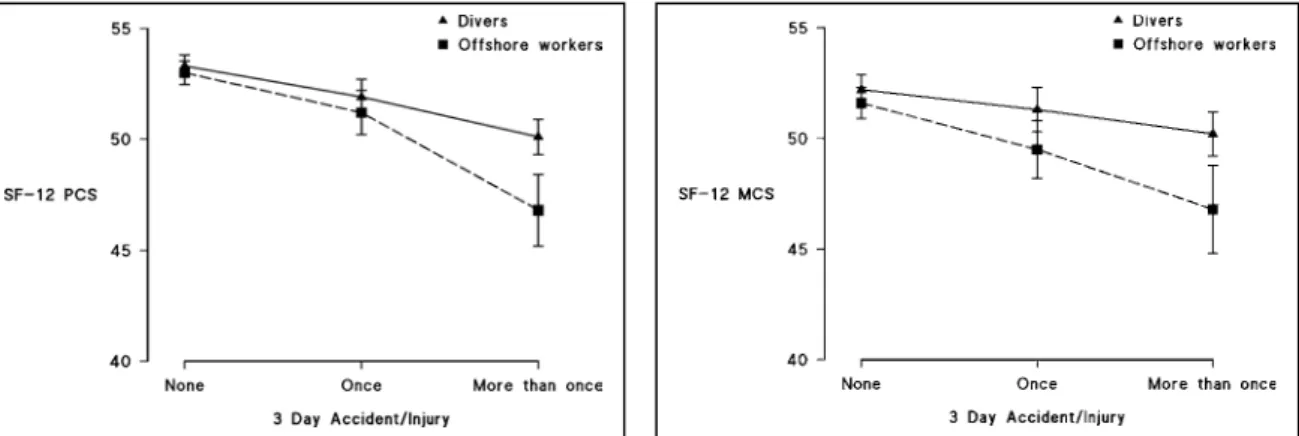
- Health Related Quality of Life (SF-12)
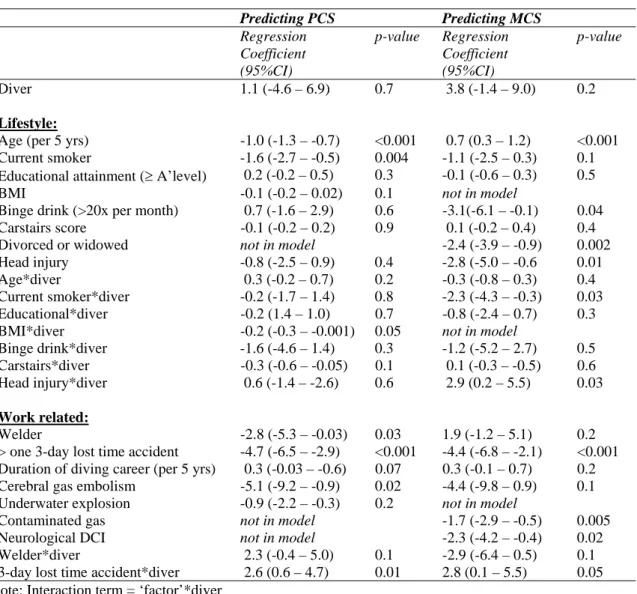
- What factors impact HRQOL of divers and offshore workers?
Forgetfulness or loss of concentration was not fully explained by DCI, as the difference between divers and offshore workers remained. Again after adjusting for age, there was still no significant difference between divers and offshore workers.
Part 2: CLINIC STUDY
Response rate
Phase 1b: Comparison of data from the clinic study with the questionnaire survey
- Head injury
- Neuropsychological testing
- Subjective neuropsychological assessments
- Objective neuropsychological assessments
- Medical complaints
- Diving experience
- Professional diving logbooks
- Comparison of complete sets of logbook data with interview data
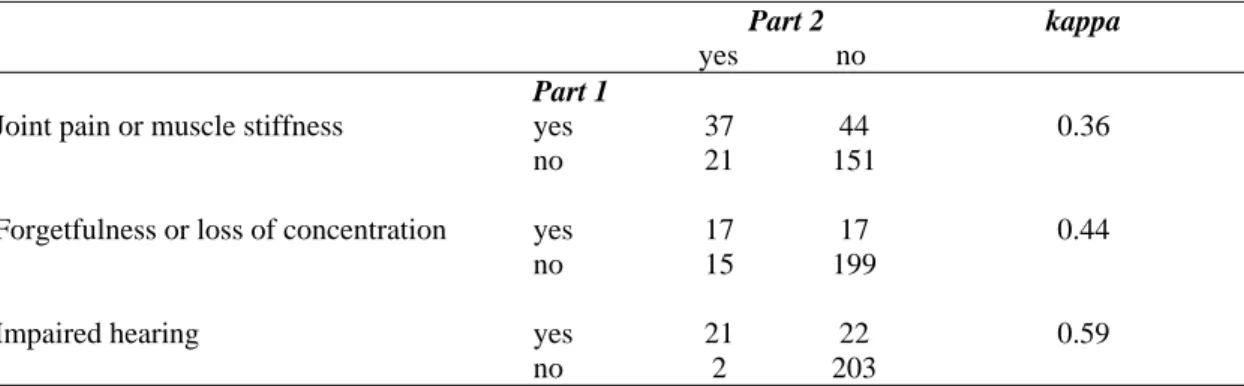
- Comparison of questionnaire survey data with the interview data
Head injury severity (LOC t 1 h) of those who did not report a head injury in the questionnaire survey did not differ between divers and offshore workers. The following section demonstrates objective support for the complaint of forgetfulness or loss of concentration reported in the questionnaire survey. Further analysis compared forgetful subjects (moderate or severe forgetfulness) and non-forgetful subjects (no or mild forgetfulness) classified on the questionnaire survey.
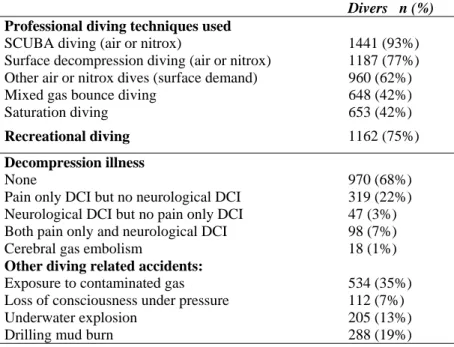
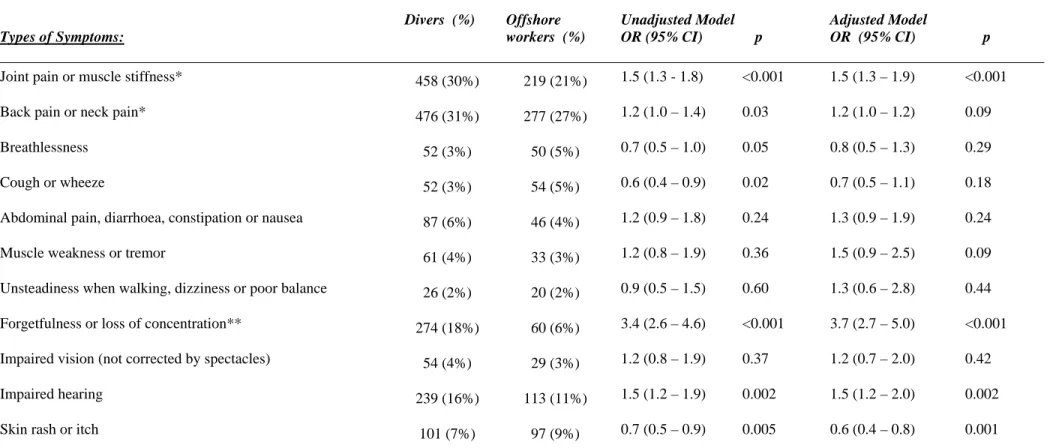
Symptoms reported in the questionnaire survey (part 1 - see Table 6) were compared with symptoms reported in the medical examination (part 2). Exposure to contaminated gas tended to be over-reported in the questionnaire survey compared to the interview in the clinic survey.
Phase 1b: comparison of a random sample of divers & offshore workers
- Neuropsychological differences
- Medical examination
- Audiometry
- Lung function
- Stabilometry
- Health related quality of life
- Occupational history
- Diving history
- ALAPS (Armstrong Laboratories Aviation Personality Survey)
The neurological and locomotor studies revealed no significant differences between divers and offshore workers in the random sample. Comparison of the worst complaint reported by divers and offshore workers showed no difference in complaint severity between the two groups. The only difference found between divers and offshore workers was in the lower range of force expiratory flow (FEF25%, FEF50%), for which divers had lower values.
Divers and offshore workers did not differ in terms of awe, dogmatism and team orientation. The results for divers and offshore workers were of similar magnitude, except for risk taking, which was higher for Air Force personnel.
Phase 2 - Case-Control Study: Complaint of ‘forgetfulness or loss of concentration’47
- Lifestyle characteristics
- Medical examination
- Neuropsychological assessments
- MRI assessment
- Health related quality of life (SF-36)
- Diving experience of forgetful and non-forgetful divers
- Relationship of diving history with objective neuropsychological performance 59
- ALAPS
- Stabilometry
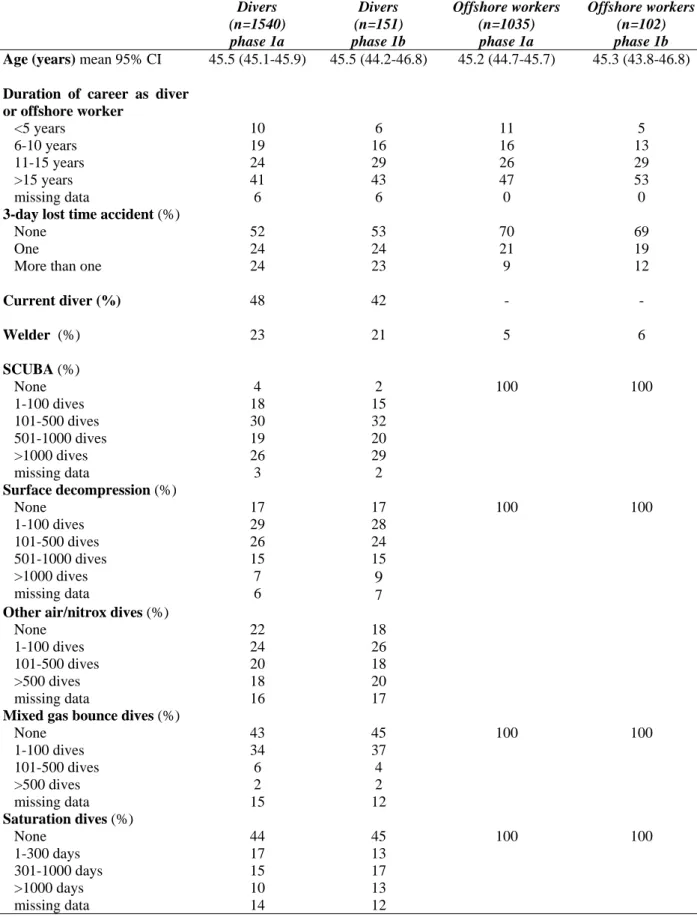
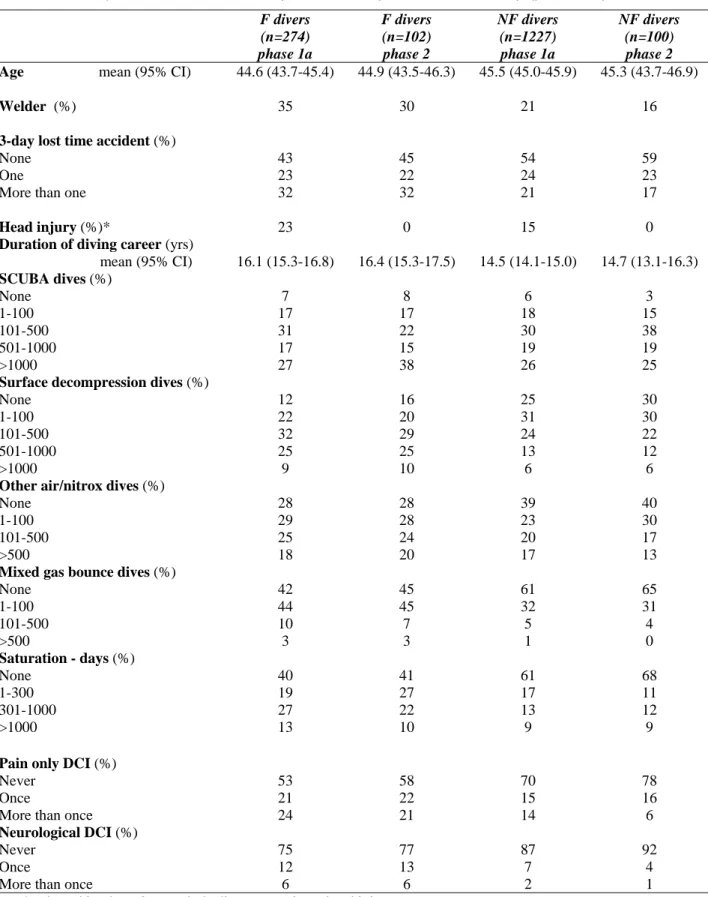
No significant differences in regional gray matter volume were found between NF OSW and NF divers. The duration of diving careers for F divers and NF divers was not significantly different, but F divers had made significantly more professional dives than NF divers (p=0.03) (Table 44). Of those who had used these techniques, F divers and NF divers had made a similar number of dives.
Thirty-six percent of F divers, compared to 18% of NF divers, had DCI pain only (p=0.003). Twenty-two percent of F divers and only 4% of NF divers experienced neurological DCI (p<0.001).
Background
For example, groups of military divers did not show retinal or brain MRI changes previously found in recreational or commercial divers (26;31). In this study, we investigated self-rated health and health-related quality of life in a large group of divers compared to a group of non-diving offshore industrial workers using a questionnaire survey. Finally, we investigated factors associated with reported symptoms in a case-control study to determine the significance of these symptoms and the contribution of diving and diving practices to these symptoms.
Comparison of the diver and offshore worker study populations
We then validated the questionnaire responses through a detailed clinic assessment of a random sample from each group. This study investigated whether these complaints were associated with diving or with other work-related factors. In the entire study population, there were significant relationships between these complaints and reports of head injury, 3-day lost time accident and experience as a welder.
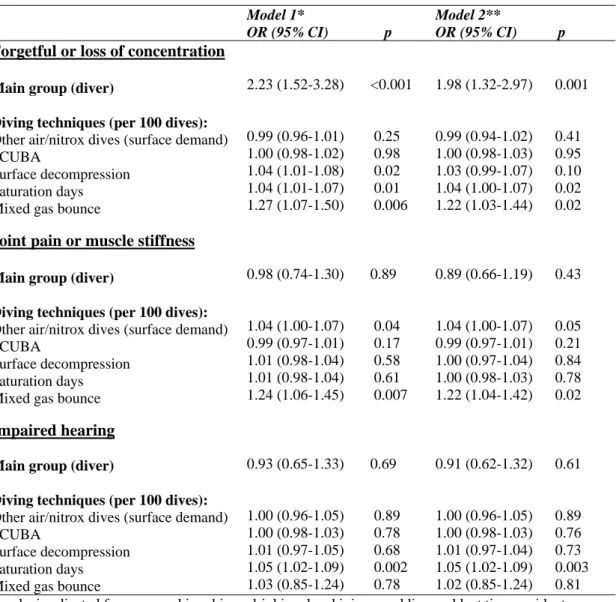
When these factors were taken into account, only the complaint of “forgetfulness or loss of concentration” remained independently associated with diving, although there were indications that musculoskeletal and auditory symptoms may be associated with specific diving practices.
Health related quality of life in divers and offshore workers
When all the factors associated with reduction in HRQOL were allowed for, no difference remained between foreign workers and divers. This suggests that divers neither started with a higher HRQOL nor were more disadvantaged by work-related factors in general than foreign workers. To estimate the significance of changes in HRQOL related to these symptoms, we analyzed effect size (57).
We demonstrated an effect size indicating that the impact of these symptoms was comparable to that of diagnosed medical conditions. The impact on quality of life associated with these symptoms is therefore important and deserves further clarification.
Complaint of ‘impaired hearing’
However, this analysis did indicate that within the two groups examined, health-related quality of life was influenced by factors that differed between the two groups. The effect sizes reported in this study were larger than in other studies using the same methodology, such as those in British (74) and American (75) soldiers after the First Persian Gulf War and in occupational groups (76).
Complaint of ‘joint pain and muscle stiffness’
Complaint of ‘forgetfulness or loss of concentration’
In the random sample, there was a weak but significant correlation with the total number of career dives, but no history of decompression sickness was found to be significant. In a case-control study, no relationship was found between the total number of dives performed and memory performance. In addition, there were significantly more divers in the case group diving with mixed techniques of gas rejection, surface oxygen decompression, and saturation.
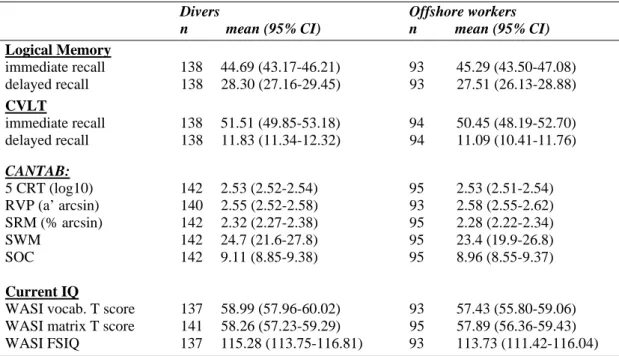
However, the association between diving experience and memory performance was not as strong as that with complaint found in the questionnaire study. A case-control study also found structural differences in the brains of struggling divers and these are discussed below.
Cerebral MRI studies
However, they were not associated with hypertension and there are indications in the literature that their etiology may differ from that of subcortical hyperintensity (87). SPM has also been used to analyze HMPOA SPET brain scans in divers with decompression sickness demonstrating areas of persistent hypoperfusion in occipito-parietal-temporal regions (91). The affected areas differ from those areas of gray matter volume reduction seen with MRI in the present study.
However, since the incidence of decompression sickness in the group of forgetful divers was higher than in the control group (47% vs. 21%), this needs to be controlled for in future analyses. In addition, the average age of the study group here was approx. 45, where only 10 people in the case-control group were aged 65 or over.
Welding
Whether the case group of divers represents a population at risk of faster-than-normal cognitive decline with age, who may go on to develop MCI with its prognostic significance, is a question for a longitudinal study. More concerning is the potential of high hydrostatic pressure to amplify the toxicity of already dangerous chemicals. In cell culture work, the toxicity of the welding fume component chromate was enhanced by hydrostatic pressure (103).
Data from the questionnaire suggest that divers who weld are at greater risk of forgetfulness or loss of concentration than non-diving welders, as shown in Table 8. The effect was not due to divers having a longer welding career than non-diving welders, as they had actually spent less time as welders.
Healthy worker, survivor, sampling and response bias
More concerning was that divers stop diving at an earlier age than people leave the offshore industry (Table 17). While 72% of offshore workers still worked in the offshore industry, only 47% of divers were still actively diving. The physical component, however, was lower in people who had left their respective industries and somewhat lower again in the group of offshore workers.
The presence of a trend in mailing series has also been used to predict the characteristics of nonresponders (104). Non-responders may have lower levels of education, smoke more, and have less neck or back pain.
Conclusions and Recommendations
Appendix 1: questionnaire used in the postal survey (Part 1)
Appendix 2: Methodology for the clinic study (Part 2)
- Health related quality of life questionnaires (SF-36 & SF-12)
- Neuropsychological assessments
- Objective neuropsychological tests
- Subjective neuropsychological questionnaires
- Hospital Anxiety and Depression Scale
- Armstrong Laboratories Aviation and Personnel Survey (ALAPS)
- Medical examination
- Occupational history
- Lung function tests
- Brain MRI score scale
The number of problems solved in the minimum number of moves is the recommended fundamental test metric by CeNes, the test developers. The score used is based on the number of problems successfully completed in the minimum number of moves. Total lung capacity (TLC) is the volume of gas in the lung after a full inhalation.
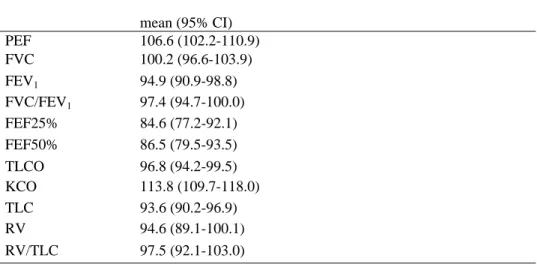
Residual volume (RV) is the amount of gas remaining in the lung after a maximal exhalation. Reliability of Pulmonary Function Tests: As a quality control measure for the pulmonary function tests, results from non-smokers in the control group (offshore workers) were compared to predicted values (based on age and height) using ECCS prediction equations for all parameters except FEF25% and FE50%, where predicted values from Cotes (133) were used (Table 39).
Appendix 3: Medical complaints coded using the ICD-9
Body burden of aluminum in relation to central nervous system function among metal inert-gas welders.